BLOG
What happens to surrendered firearms?
Posted on 07.08.2025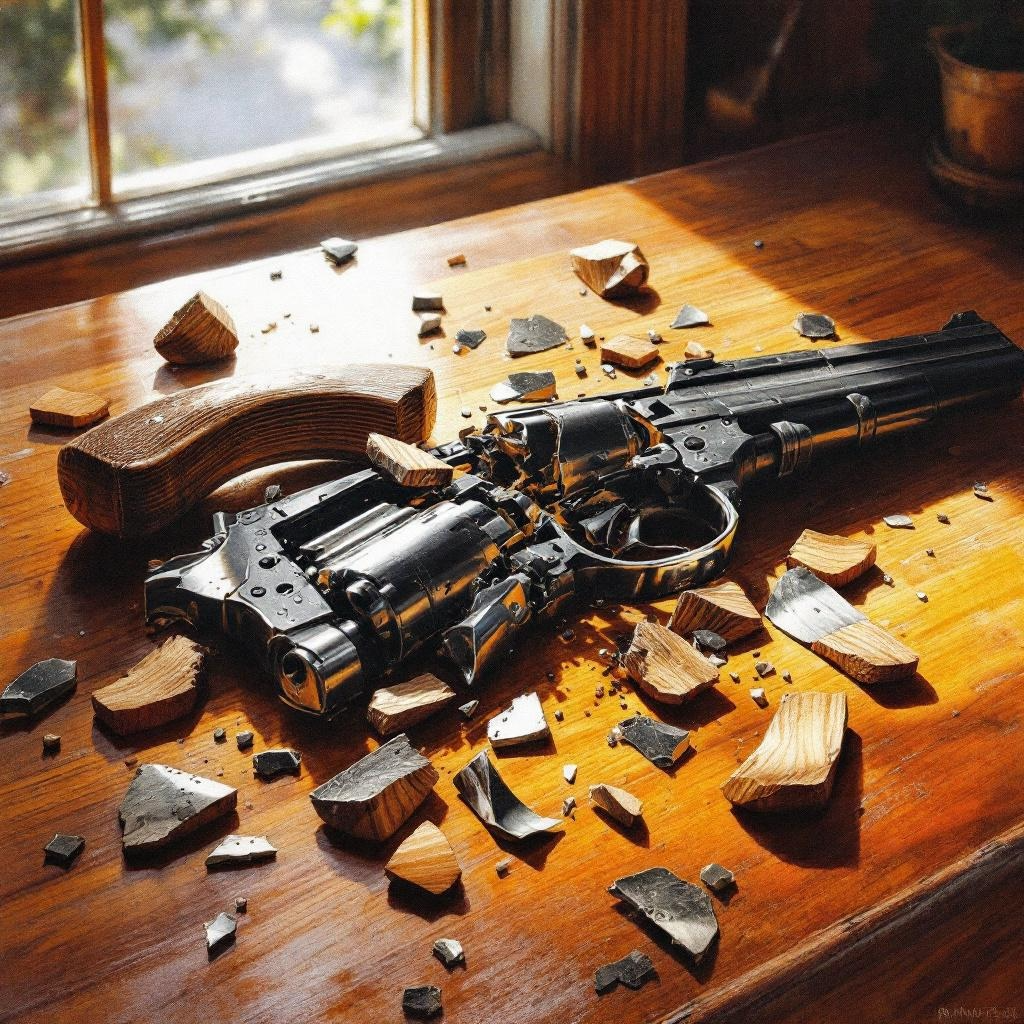
Assembly Bill 2842 (2024) – Firearms, Museums & Melting Metal: A Friendly Breakdown
Signed into law: September 24, 2024
Effective: January 1, 2025
Purpose: Make sure surrendered firearms don’t come back like a bad sequel.
What’s This Law About?
Think of AB 2842 as the Marie Kondo of gun laws — if a surrendered firearm no longer sparks legal joy (or safety), it’s either destroyed properly or preserved like museum treasure, not secretly sold for spare parts on Craigslist.
What’s New?
• Contracts Must Stop the Gun Zombie Apocalypse
Law enforcement can still hire outside companies to destroy firearms (because not every police department has a giant metal shredder on hand).
BUT! The contract must now say:
“No selling parts, no sneaky resurrections.”
Not the barrel. Not the bolt. Not the baby scope. Nothing.
Scrap metal is fine — your old revolver might become part of a park bench someday.
• Historical Guns Can Be Saved (If Made Harmless)
Instead of melting down every antique, some surrendered firearms can be donated to museums, historical societies, or educational collections.
The catch? They must be permanently deactivated, meaning:
- Weld it.
- Plug it.
- Cut it.
- Do whatever it takes so it can’t be turned into a working gun.
Basically: if Indiana Jones can’t use it, it’s safe for display.
• Every Law Enforcement Agency Needs a “How We Break Guns” Policy
All agencies now need a written policy on how they destroy guns.
That includes:
- Logging it into state systems
- Who’s responsible
- What happens if multiple agencies are involved
- And yes — they must post the policy online for all to see.
(Spoiler: it’s not just "throw it in a big fire.”)
• Let’s Talk About “Destruction” — They Mean It
When this law says “destroy,” it doesn’t mean just put it in a drawer and forget about it. It means:
- Smelt it.
- Shred it.
- Crush it.
- Chop it.
The whole thing: frame, barrel, sights — even the tactical grips.
If it still vaguely looks like a gun, you’re doing it wrong.
• Old Contracts Are Grandfathered In
If a law enforcement agency signed a contract to destroy guns before Nov. 1, 2024, they can stick with it — even if it doesn’t meet all the new rules.
Why? Because breaking contracts = lawsuits, and nobody wants that paperwork.
• Bonus Section: Museums Win Again
The state updated Penal Code 26576 to say:
Firearms collected in buyback programs can be donated (not destroyed!) to nonprofit museums or historical groups.
But — you guessed it — they must be completely inoperable first.
(So no "oops, it still fires" moments at the next exhibit.)
• Other Bills in Play
AB 2842 has a choose-your-own-adventure ending:
It works alongside other bills like SB 1019 and AB 2739 — depending on which one is signed last, some specific sections may change.
Don’t worry, legal teams have charts for this.
• Who Pays for This?
If the new rules cost law enforcement more money (new contracts, equipment, staff time), the state will reimburse them.
Because “unfunded mandates” are the fastest way to make local governments grumpy.
Final Thoughts:
- Ends the quiet reselling of surrendered gun parts
- Keeps old weapons out of new trouble
- Makes room in museums without making them armories
- Holds agencies accountable with public policies
- Doesn’t mess with existing deals (because drama-free is the goal)
California is saying: if you take a gun off the street, it should stay off the street — or find a quiet retirement in a museum behind thick glass.